Landscaping Enfield: Creating Outdoor Spaces That Feel Beautiful, Practical, and Lasting
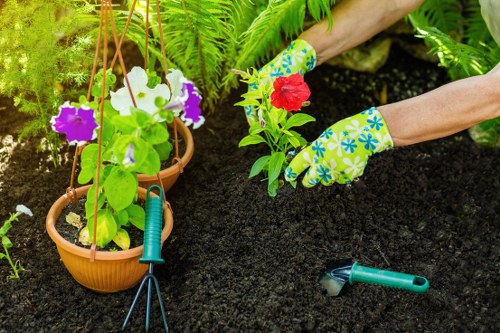 Landscaping Enfield is about much more than making a garden look neat. It is the thoughtful shaping of outdoor spaces so they work well in everyday life, suit the local environment, and feel inviting throughout the year. In a place like Enfield, where properties range from compact urban homes to larger suburban plots, the right landscaping approach can transform an ordinary garden into a space that feels balanced, welcoming, and useful. Whether the aim is to improve curb appeal, create a relaxing retreat, or make better use of a challenging plot, landscape design can bring order and personality to almost any outdoor setting.
One of the reasons landscaping in Enfield remains so popular is that it can be tailored to different lifestyles. Some homeowners want a low-maintenance garden that still looks refined, while others prefer a lush space packed with planting, texture, and seasonal interest. The best results usually come from combining practical planning with creative design. This means thinking carefully about sunlight, drainage, privacy, movement, and the way the garden will be used over time. A well-planned outdoor space does not just look attractive in one season; it continues to function and delight throughout the year.
Modern Enfield landscaping also reflects a growing appreciation for outdoor living. Gardens are increasingly seen as extensions of the home, places where families gather, children play, and adults unwind after a busy day. Because of this, many designs now balance hard landscaping and soft landscaping in ways that create both structure and softness. Paths, patios, retaining walls, and seating areas provide shape and usability, while planting adds color, movement, and life. This balance is what often separates an average garden from a truly memorable one.
Why Landscaping Matters in Enfield
Every property has its own challenges and opportunities, and that is especially true when it comes to landscaping Enfield gardens. Some spaces may be shaded by mature trees, while others may receive intense sunlight throughout the day. Some plots have sloping ground, awkward boundaries, or limited width, while others offer open space that needs clearer definition. Good landscape design responds to these conditions rather than fighting against them. It turns constraints into features and makes the most of what is already there.
Another reason landscaping matters so much is that it affects how a property feels from the moment someone sees it. A tidy front garden with carefully chosen planting, well-defined edges, and a clear path can dramatically improve first impressions. In the rear garden, thoughtful layout can make the whole outdoor area feel more spacious and organized. This is particularly important in busy residential areas where outdoor space may be limited. A smart design can make even a modest garden feel generous and well considered.
Enfield landscape design is also valuable because it can support the long-term health of a garden. Healthy soil, efficient drainage, suitable plant choices, and durable materials all contribute to outdoor spaces that age well. Instead of constantly dealing with problems such as erosion, poor growth, or overcrowding, homeowners can enjoy a garden that improves with time. That kind of lasting quality is one of the strongest advantages of investing in professional landscaping rather than treating the garden as an afterthought.
Key Elements of Successful Landscaping Enfield Projects
Successful landscaping Enfield projects usually begin with understanding the space itself. The size and shape of the garden matter, but so do less obvious factors such as soil type, drainage patterns, wind exposure, and how the space connects to the house. A garden that feels cramped may benefit from open lines and simple zoning, while a larger garden may need stronger structure to prevent it from feeling empty. The design should always be guided by the property’s character and the needs of the people who live there.
Plant selection is another central part of the process. The best plants for landscaping in Enfield are often those that suit local conditions while also offering visual appeal across multiple seasons. Evergreen shrubs can provide dependable structure, while perennials bring softness and changing color. Trees can add height, shade, and a sense of maturity, while grasses and groundcover introduce texture and movement. A carefully planned planting scheme creates interest without becoming overwhelming, and it can be adapted to suit both formal and naturalistic styles.
 Hard landscaping plays an equally important role. Materials such as paving, gravel, brick, timber, stone, and rendered finishes can define pathways, patios, edges, and retaining features. The choice of materials should reflect both aesthetic preferences and practical needs. For example, a family garden may require durable, slip-resistant surfaces, while a decorative courtyard may call for a more refined finish. When hard landscaping is integrated properly, it gives the garden a sense of permanence and helps every part of the design feel connected.
Designing with Lifestyle in Mind
One of the most effective ways to approach Enfield landscaping is to start with the lifestyle of the household. A garden used primarily for entertaining may need a generous patio, good lighting, and space for seating or outdoor dining. A home with children may benefit from open lawn areas, safe surfacing, and clear sightlines from the house. A quieter household may prioritize planting, secluded corners, and spaces for reading or reflection. When the design reflects how the garden will actually be used, it becomes far more satisfying and functional.
Low-maintenance landscaping is especially attractive to many Enfield homeowners. Busy schedules often mean there is little time for demanding garden work, so designs that reduce upkeep can be highly appealing. This does not mean the garden has to look plain or sparse. On the contrary, a low-maintenance garden can be richly textured and visually impressive when it uses the right mix of planting, mulching, paving, and structural features. The goal is not to eliminate care entirely, but to create a garden that stays attractive without constant intervention.
For those who love gardening, a more planted design can be incredibly rewarding. Borders filled with seasonal color, climbers on walls or trellises, and layered planting around focal points can create a sense of abundance and personality. Even in smaller spaces, careful use of vertical planting and repeated themes can produce depth and rhythm. The key is to ensure the design remains coherent, so that the garden feels intentional rather than crowded. This kind of approach often brings the most character to landscaping Enfield homes with limited space.
Many people also want their outdoor spaces to feel private and peaceful. In residential areas, this can be achieved through screening, boundary planting, fences, hedges, pergolas, and changes in level. Privacy does not have to mean shutting the garden off completely; in fact, the best designs often create a sense of seclusion while still allowing light and air to flow freely. Well-placed planting can soften boundaries and make the garden feel more sheltered, while structures can define areas without making them feel enclosed.
Balancing Beauty and Practicality
Great Enfield landscape design is rarely just about visual appeal. The strongest gardens work well in practical terms too. Drainage is a good example. Without proper planning, water can collect in low areas, damage planting, and make surfaces unusable. Landscaping that includes suitable grading, permeable materials, and effective water management helps ensure the garden remains functional in wet weather. This is particularly important for patios, lawns, and pathways that need to stay safe and usable all year round.
Access is another important consideration. A garden should feel easy to move through, with clear routes from one area to another. Narrow or awkward spaces can still be made efficient through clever zoning and circulation planning. Rather than forcing every part of the garden to serve the same purpose, a good layout creates distinct zones for relaxation, planting, play, and utility. This makes even a modest plot feel more spacious and organized. In landscaping Enfield, this practical thinking often makes the biggest difference to daily enjoyment.
The Role of Texture, Color, and Structure
Visual interest in a garden often comes from the relationship between texture, color, and structure. Texture can be created through leaves, bark, paving surfaces, and ornamental features. Soft grasses alongside crisp paving, or broad-leaved shrubs beside fine foliage, can add richness without requiring bright color all year. Color, meanwhile, may come from flowers, foliage, containers, wall finishes, and decorative materials. When used carefully, color helps define mood and draw attention to important features.
Structure gives the garden its backbone. This includes trees, hedges, walls, raised beds, pergolas, and even the shape of the lawn or paving layout. Without structure, a garden may feel scattered or unfinished. With it, the space gains clarity and rhythm. Structural elements are especially useful in landscaping in Enfield because they help gardens remain attractive even when planting is dormant or changing through the seasons. A well-designed framework ensures the garden always has presence.
Seasonal change can be one of the most enjoyable parts of outdoor design. Spring bulbs, summer borders, autumn foliage, and winter evergreens each bring a different atmosphere. A successful planting scheme will consider how the garden looks not just in peak summer, but across the full year. Repetition of key plants can create continuity, while small bursts of seasonal interest prevent the space from feeling flat. This is one of the most rewarding aspects of landscaping Enfield: a garden can feel alive and evolving without losing its overall design integrity.
Lighting can also completely change the mood and usability of a garden. Subtle illumination along paths, steps, planting beds, or seating areas adds safety and atmosphere after dark. It can also highlight textures and shapes that are not as visible during the day. Well-planned lighting does not need to be overpowering; in fact, understated lighting often creates the most elegant results. When combined with strong layout and planting, it helps the garden feel usable at all hours.
Materials should be selected not only for appearance but also for how they will age. Some surfaces develop character over time, while others require regular maintenance to keep their look. In a busy household, durability may be more important than a highly polished finish. In a more decorative space, the choice may lean toward refined materials that enhance a particular style. Whatever the preference, a good landscaping project takes the long view, choosing finishes that suit the property and the level of upkeep the owners are comfortable with.
Water features, raised planters, and seating areas can add focal points and bring a garden together. These features are most effective when they fit naturally into the overall design rather than being added at the end. A small garden might benefit from a slim water feature or a compact bench nook, while a larger space may allow for multiple destinations. These details help create a sense of journey and discovery, making the garden more enjoyable to spend time in. Thoughtful Enfield landscaping often uses such features to turn a simple outdoor area into a layered experience.
Landscaping for Different Types of Enfield Properties
Different property types call for different landscaping strategies. A Victorian or period home may suit a design that respects traditional character, using classic materials, elegant planting, and symmetrical layouts. A modern property may benefit from clean lines, minimalist planting, and strong contrasts between hard and soft elements. Semi-detached homes often need efficient use of space, with careful attention to privacy and flow. Detached homes may have more freedom but still benefit from strong planning to avoid wasted areas.
Front gardens often require a more restrained approach than rear gardens. Because they contribute to the street scene, they usually need to balance individuality with neatness and coherence. Low hedging, statement planting, and clear boundaries can create a polished look without overwhelming the frontage. Rear gardens, by contrast, often allow more freedom for personal expression, whether that means bold planting, outdoor dining areas, lawn space, or a combination of several functions. The contrast between front and back can be very effective when both are designed with purpose.
In smaller urban plots, every detail matters. Simple shapes, vertical elements, and well-chosen materials can make compact spaces feel larger. Reflective surfaces, repeated planting, and clean lines help reduce visual clutter. In more generous gardens, there is greater scope for separate zones and layered planting, but the same principles still apply: clarity, proportion, and balance. Whether the project is large or small, landscaping in Enfield works best when it responds to the specific site rather than relying on a formula.
Long-Term Value of Thoughtful Garden Design
A well-landscaped garden can add lasting value in more ways than one. It increases the enjoyment of the home, improves the way the property is experienced, and can also support resale appeal. Buyers often notice outdoor spaces quickly, and a garden that feels usable, attractive, and well maintained can make a strong impression. But even without thinking about future value, the everyday benefit of a well-designed garden is considerable. It becomes a place that supports relaxation, socializing, and connection to the outdoors.
Another important advantage is that thoughtful design reduces frustration over time. Poorly planned gardens can become difficult to maintain, expensive to repair, or awkward to use. By contrast, a carefully considered layout and planting plan can make ongoing care much easier. Paths stay practical, borders remain manageable, and the overall composition continues to work as plants mature. This is why many homeowners see landscaping Enfield as a worthwhile long-term investment rather than a one-time decoration.
 The most successful gardens often have a sense of timelessness. They are not driven by passing trends alone, but by principles of proportion, balance, usability, and harmony with the surrounding property. Trend-led details can still play a role, but they should support the broader vision rather than dominate it. A garden with enduring design quality will continue to feel relevant and enjoyable long after the initial work is complete. That lasting appeal is what makes professional landscape planning so valuable.
For many homeowners, the real reward of landscaping is the feeling of stepping outside and immediately feeling at ease. A garden can soften the edges of daily life, provide a private retreat, and give a home a stronger sense of identity. The best designs are not only attractive to look at but also deeply satisfying to live with. They make the ordinary act of moving through the garden feel more enjoyable, more natural, and more connected to the seasons.
Bringing It All Together
In the end, landscaping Enfield is about shaping outdoor spaces with care, skill, and imagination. It combines practical problem-solving with creative expression, resulting in gardens that are both useful and beautiful. From planting schemes and paving choices to lighting, privacy, and layout, every decision contributes to the overall experience. A successful garden does not happen by chance; it is the product of clear thinking and attention to detail.
The most compelling gardens feel complete without being overworked. They have structure but also softness, function but also charm. They are designed around the way people live, while also allowing room for nature, change, and seasonal interest. Whether the goal is a calm retreat, an entertaining space, a family-friendly garden, or a low-maintenance outdoor setting, the right Enfield landscape design can make it happen in a way that feels natural and enduring.  With the right balance of materials, planting, and layout, even the simplest space can become something special, and that is what makes landscaping so rewarding in Enfield and beyond.