Garden design and build in Enfield
If you are looking for garden design and build in Enfield, you probably want more than a few planting ideas or a quick patio refresh. You may want a garden that works properly for everyday life: somewhere for children to play, a calm spot to unwind, a practical space for entertaining, or a front garden that improves kerb appeal without becoming high maintenance. In Enfield, where homes range from period terraces and semis to larger family houses, converted flats, and commercial premises, the right outdoor layout can make a real difference to how a property feels and functions.
Our approach is simple: combine practical design with skilled construction, using materials and planting that suit the property, the soil, the available space, and the way you actually want to use the garden. Whether you are planning a full redesign or a phased transformation, we can help you create an outdoor space that feels considered, durable, and easy to live with.
From the first ideas through to the final build, the process should feel organised and manageable. That matters especially in Enfield, where access can be tight, parking may be limited, and many homes have shared side access, sloped gardens, mature boundaries, or existing features that need careful handling. A local team understands these conditions and can plan the work so it runs smoothly from start to finish.
Garden design and build tailored to Enfield homes and businesses

Every garden starts with a set of real-world conditions: sunlight, shade, soil type, drainage, privacy, access, and the way the property is used. In Enfield, those conditions can vary a lot from one street to the next. A compact rear garden off a Victorian terrace in Enfield Town may need a very different layout from a larger family garden in Bush Hill Park, or a neat, robust exterior for a business near the main routes through Edmonton or Southgate.
Garden design and build in Enfield is most effective when the design decisions are linked directly to the build method. That means thinking about levels, materials, planting, lighting, water management, and maintenance before any digging starts. It also means making sure the finished garden is not only attractive, but practical for the season, the property, and the people who will use it every week.
For residential customers, the aim may be to create a family-friendly layout with lawn, seating, storage, and planting that looks good without constant attention. For commercial customers, it may be about creating a tidy, welcoming outdoor area that reflects the premises and stays manageable over time. In both cases, the best results come from a design that suits the site instead of trying to force a one-size-fits-all idea into place.
What a garden design and build project can include

A full garden design and build service can cover all the key stages needed to transform an outdoor space. Depending on your aims and the condition of the existing garden, this may include layout planning, hard landscaping, soft landscaping, and practical finishing details.
Typical elements can include:
- Initial site assessment and discussion of how you want to use the garden
- Concept planning and layout ideas
- Removal of old paving, fencing, sheds, turf, or overgrown planting
- Groundworks, levelling, and preparation for new surfaces
- Patios, paths, edging, steps, and retaining features
- Decking, pergolas, seating areas, and other structural features
- Lawn installation, artificial turf, or low-maintenance ground cover
- Planting plans with shrubs, trees, borders, and seasonal colour
- Boundary solutions such as fencing, screening, trellis, and gates
- Lighting and finishing touches that help the space work in the evening
Not every garden needs every element. Some properties only need a smart redesign of a few key areas, while others benefit from a complete rebuild. A good local service will help you decide what is worth including now and what can be added later.
Why local knowledge matters in Enfield

Local knowledge is valuable because it affects both the design and the build. Enfield has a mix of housing styles, from traditional front gardens to modern developments and commercial units with hard landscaping requirements. Many properties also present access issues that need proper planning: side returns may be narrow, rear access may be shared, and some streets have limited space for unloading materials and waste.
That is where working with a local company can save time and avoid frustration. A team familiar with the area is more likely to plan for parking restrictions, protect neighbour access, and organise deliveries in a way that reduces disruption. It is also easier to suggest materials and planting that fit the local environment and the style of nearby homes.
Enfield gardens often need a balance between looks and practicality. Many owners want spaces that are attractive but not difficult to maintain. Others need durable surfaces for family life, pets, or regular visitor traffic. A well-planned project takes these everyday details seriously, because the most successful gardens are the ones that remain useful long after the work is finished.
Designing a garden that fits the property
Space, light, and layout
Before choosing any paving, planting, or structure, the layout should respond to the actual shape and use of the space. A narrow garden can often feel larger if it is divided into zones carefully. A long garden may benefit from a clear central route, defined seating areas, and planting that softens the edges without making the space feel cramped.
Sunlight and shade are especially important. In some Enfield gardens, mature trees or neighbouring buildings can create strong shade for much of the day. In others, open aspects may mean bright sunlight, heat, and exposure. The design should reflect these conditions rather than fighting them.
Design choices that make a difference
Simple decisions can have a big effect, such as:
- Using lighter paving to brighten a shaded garden
- Creating stepped levels where the ground falls away
- Adding built-in seating to save space
- Choosing planting for seasonal structure as well as flowers
- Keeping maintenance in mind from the outset
Good garden design is not just about appearance. It is about creating a space that feels natural to use, easy to care for, and appropriate for the home or business it serves.
Hard landscaping and construction work

The build phase is where planning turns into a finished garden. This stage often includes the most visible changes, but it also includes the hidden preparation that helps the space last. Proper foundations, drainage, and levels matter just as much as the finished surface.
Common hard landscaping services include patios, paving, decking, raised beds, retaining walls, paths, steps, and boundary structures. The right choice depends on how the garden is used and the look you want to achieve. For example, porcelain paving may suit a contemporary space, while natural stone may feel more fitting for a classic property. Decking can work well for level changes or seating zones, while brick or timber planters can help define borders and add structure.
Good construction also considers water movement. Enfield properties can face drainage challenges where surfaces are extended or where clay-heavy ground holds water. That is why the build must allow for falls, soakaways, and other practical details where needed. A finished garden should not only look neat; it should cope well when the weather changes.
Examples of practical build features
Depending on your project, the build may include:
- Ground preparation and excavation
- Sub-base installation for stable paving or paths
- Retaining walls to manage level changes
- Drainage solutions to help water run away effectively
- Edging and borders to keep materials tidy and defined
- Access-friendly routes between different areas of the garden
Soft landscaping and planting that works in real life
Once the main structure is in place, soft landscaping brings the garden to life. This is where plants, turf, shrubs, and trees soften the hard surfaces and create a more welcoming, settled feel. In a local garden design and build project, planting should look good on day one, but it should also continue to improve as the garden matures.
Planting plans can be tailored to your preferences. Some Enfield customers want a low-maintenance scheme with evergreen structure and simple seasonal interest. Others prefer a more colourful mix that changes through the year. The best approach depends on how much time you want to spend caring for the garden, how much privacy you need, and how much sun or shade the space receives.
Lawns, flower beds, hedging, climbers, and specimen trees can all be used to shape the space. For smaller gardens, planting can help create depth without making the area feel crowded. For larger gardens, borders and layered planting can make the space feel more complete and connected.
Front gardens, rear gardens, and side returns
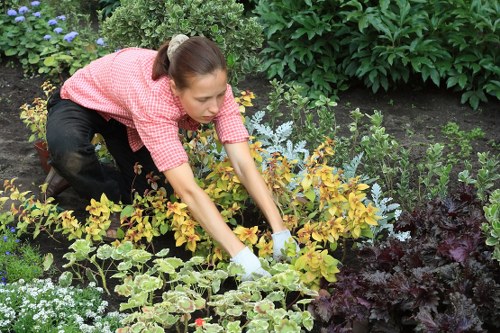
Different parts of a property serve different purposes, and the best design reflects that. A front garden in Enfield may need to look smart, improve access, and stay manageable all year. A rear garden may need to support family life, entertaining, storage, or pets. Side returns and transitional spaces often need clever design because they can easily become underused or awkward to maintain.
Front garden projects often focus on kerb appeal, boundary treatment, paths, planting, and practical access. Rear garden projects may place more emphasis on seating, lawns, play areas, screening, and evening use. Side returns can be turned into useful service areas, planting corridors, or attractive walk-through spaces that connect the property neatly.
In many Enfield homes, a well-planned front or rear garden can also help reduce the sense of clutter around the house. Proper storage, discreet bin screening, and clear routes can make a surprising difference to how the whole property feels.
Gardens for family living, entertaining, and low maintenance
Matching the space to the way you use it
One of the biggest advantages of a professional design is that it can make the garden suit your daily routine. If you have children, the layout may need safe open space, visibility from the house, and surfaces that are easy to clean. If you entertain frequently, you may want a larger patio, lighting, and planting that feels attractive year-round. If you would rather spend less time on upkeep, the focus might be on durable materials and planting that does not demand constant attention.
Low-maintenance does not have to mean plain or empty. It can mean fewer mowing sessions, less weeding, more evergreen structure, and surfaces that are easy to sweep and keep in shape. A well-designed garden can still be welcoming, layered, and full of interest without becoming a burden.
For many Enfield customers, this is the real goal: a garden that is enjoyable to use but not overwhelming to manage. That is where careful plant selection, sensible materials, and a balanced layout really pay off.
How the service typically works
Every project is different, but a structured process helps keep things clear and efficient. Most customers want to know what happens first, what decisions they need to make, and how the work will move forward. A professional garden design and build service should make that straightforward.
A typical process may involve:
- Initial discussion to understand your aims, budget range, and how you use the garden
- Site assessment to review measurements, access, drainage, and existing features
- Design planning to shape the layout, materials, and planting approach
- Preparation and removal of unwanted structures, surfaces, and planting where needed
- Build and installation of hard landscaping and key features
- Planting and finishing to complete the look and help the garden settle in
Some clients prefer to do everything at once. Others spread the work across phases, especially when the garden is large or when future additions are planned. A flexible service can support either approach.
What affects pricing on a garden design and build project?
Customers often want to know what influences cost before they request a quote. The honest answer is that pricing depends on the scope and complexity of the work. It is better to have a clear discussion about what you need than to guess based on a generic example.
Typical pricing factors include:
- The size of the garden and the amount of work required
- How much existing material needs removing
- The type and quantity of paving, timber, stone, turf, or other materials
- Ground conditions, drainage issues, or changes in level
- Access for equipment, deliveries, and waste removal
- The amount of planting and the level of detail required
- Any special features such as lighting, screens, or built-in structures
In Enfield, access can affect timing and logistics as much as the material choice does. Narrow side passages, shared drives, and limited parking may require more careful planning. A local team can factor this in early so there are fewer surprises later.
How to prepare for your project
A simple checklist for homeowners and property managers
Preparing well can make the job easier and help the project start smoothly. You do not need to organise everything yourself, but a little preparation can reduce delays and make the planning stage more effective.
Useful preparation steps include:
- Think about how you want to use the garden day to day
- Collect any inspiration images or notes on styles you like
- Decide whether you want a full transformation or a phased approach
- Check whether there are any existing features you want to keep
- Make a note of practical concerns such as storage, privacy, or drainage
- Ensure access points are clear where possible before work begins
If the property is commercial, it can also help to think about customer access, staff use, opening hours, and how disruption should be managed. A properly planned project can often be scheduled to reduce impact on day-to-day operations.
Why choose a local company for garden design and build in Enfield
There are many reasons people prefer a local service for this type of work. Proximity helps with site visits, planning, communication, and practical logistics. More importantly, local experience often means a better understanding of the homes, gardens, and access conditions typical in the area.
A local team is more likely to understand:
- How to work around tighter residential access
- The kinds of garden layouts common in Enfield
- Which materials and planting styles suit local properties
- How to organise deliveries and waste removal with less disruption
- The needs of both homeowners and business premises
That combination of practical knowledge and design understanding helps create gardens that are not only attractive but properly fitted to the location. If you are investing in your outdoor space, local expertise is a sensible place to start.
Areas covered around Enfield
Garden projects in and around Enfield often serve a wide mix of neighbourhoods and property types. Depending on the scope of the work, service can commonly cover nearby residential and commercial areas such as:
- Enfield Town
- Edmonton
- Southgate
- Bush Hill Park
- Ponders End
- Winchmore Hill
- Palmers Green
- Oakwood
- Grange Park
- Bounds Green
Some locations have compact gardens with limited side access, while others have larger plots, split levels, or older boundary structures that need careful reconstruction. A local service should be ready to adapt to these different site conditions and property styles.
FAQs about garden design and build in Enfield
Do I need a full redesign, or can I improve the garden in stages?
You can do either. Some customers prefer a complete redesign because it creates a clear plan from the start. Others choose a staged approach, beginning with groundwork or hard landscaping and adding planting or features later.
Can you work with small gardens or awkward layouts?
Yes. Smaller gardens and unusual layouts often benefit most from thoughtful design. Careful zoning, the right surfaces, and selective planting can make compact spaces feel more open and useful.
What if my garden has poor drainage?
Drainage should be assessed before or during the design stage. Depending on the site, the project may need improved falls, suitable sub-base preparation, or other practical measures to help water move away effectively.
Can the garden be designed to suit low maintenance?
Absolutely. Low-maintenance schemes can use resilient materials, straightforward planting, and a layout that reduces ongoing work while still looking attractive.
Do you work on commercial outdoor spaces as well as homes?
Yes. Commercial customers may need tidy, durable, and easy-to-manage outdoor areas for entrances, seating, courtyards, or boundary improvements. The priorities are often different from residential work, but the same careful planning still applies.
Request a quote for your Enfield garden project
If you are ready to improve your outdoor space, now is a good time to start the conversation. Whether you want a complete garden redesign, a new patio and planting scheme, better drainage, a more usable family space, or a practical solution for a commercial property, a local design and build service can help turn the idea into a workable plan.
Contact us today to discuss your garden, explain what you want to achieve, and request a free quote. If you already have a rough idea, we can help refine it. If you are starting from scratch, we can help shape the possibilities into something realistic and attractive.
Book your service now and take the first step toward a garden that suits your property, your lifestyle, and the way you live in Enfield.
Final thoughts
A well-designed garden should feel like a natural extension of your home or business. It should be practical to use, pleasant to look at, and built with care so it holds up over time. With the right planning, materials, and local knowledge, garden design and build in Enfield can transform even challenging spaces into something far more useful and enjoyable.
If you want an outdoor space that is tailored to your property and your routine, a local specialist is ready to help.