Recycling and Sustainability for Landscaping Enfield
 Recycling and Sustainability for Landscaping Enfield is built around practical choices that reduce waste, cut emissions, and support a cleaner local environment. Every project, from garden refreshes to larger landscape improvements, is approached with a simple aim: keep as much material as possible in use, send less to landfill, and choose lower-carbon methods wherever possible. That means sorting soil, timber, green cuttings, stone, metal, and packaging carefully so reusable materials can be recovered efficiently.
In Landscaping Enfield, sustainability starts on site. Rather than treating all waste as one stream, teams separate materials at the source, making it easier to recycle aggregates, compost organic matter, and divert suitable items for reuse. This approach reflects the wider borough focus on waste separation, where households and businesses are encouraged to place different materials into the correct collection streams. The same principle applies to landscape work: the cleaner the sorting, the better the recovery.
Our Landscaping Enfield approach also includes careful planning before work begins. By measuring materials accurately, reusing existing features where possible, and choosing products with recycled content, projects can reduce surplus waste from the outset. That reduces pressure on local facilities and supports a more circular approach to outdoor improvement.
 A key part of this commitment is working toward a recycling percentage target of 90% for suitable non-hazardous site waste. This target is designed to ensure that the majority of green waste, soil, rubble, and packaging is diverted from landfill and processed through recovery or recycling routes. While some materials are unavoidably unsuitable for recycling, the emphasis remains on sorting carefully and maximising what can be reclaimed.
Local transfer stations play an important role in that process. Materials collected from landscaping work are taken to approved facilities where they can be weighed, separated, and routed for the next stage of treatment. In and around Enfield, transfer stations and waste handling centres help manage everything from mixed construction spoil to clean green waste. These facilities are essential for supporting landscaping recycling because they create a reliable link between site collection and responsible processing.
For green waste in particular, transfer stations can help turn grass cuttings, hedge trimmings, and leaves into compost or soil improver. Recovered topsoil may be screened and reused, while inert materials such as bricks or concrete can be crushed for secondary applications. This practical recovery system reduces the need for virgin materials and makes landscape sustainability more achievable across everyday projects.
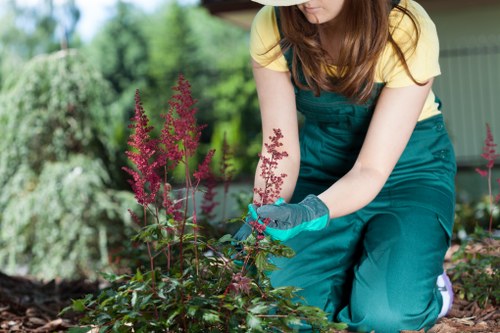 Partnerships with charities are another important part of the sustainability model. Usable plant containers, timber offcuts, healthy shrubs, paving remnants, and garden accessories may be suitable for donation rather than disposal. By working with local charities, community groups, and reuse organisations, Landscaping Enfield can help extend the life of materials that still have value. This can support community gardens, training projects, and local initiatives that benefit from affordable supplies.
Such partnerships also encourage a more thoughtful culture around waste. Rather than sending everything to a recycling stream by default, materials are assessed for direct reuse first. A salvaged bench, a batch of edging stones, or surplus paving can be useful to a charity project even if it is no longer required on the original site. This is a small but meaningful way to keep resources moving through the local economy.
In Enfield and nearby boroughs, waste management often depends on clear separation of green, inert, and general waste. Landscaping work mirrors that system by dividing organic matter from mineral waste and separating recyclable metals or plastics from mixed debris. This alignment with borough-wide recycling habits helps make collection and processing more efficient, while reinforcing a shared responsibility for cleaner outdoor spaces.
 Transport is another area where recycling and sustainability can make a real difference. The fleet used for Landscaping Enfield includes low-carbon vans designed to reduce emissions on the road. These vehicles support lower fuel use and improved air quality, especially on repeated local journeys between sites, transfer stations, and supply points. With shorter trips and better route planning, the environmental impact of each job can be reduced further.
Low-carbon vans also fit the broader aim of cutting the footprint of waste transport. When recyclable materials are moved efficiently and in consolidated loads, fewer journeys are needed. That means less congestion, less idling, and less carbon released per project. In practical terms, this helps connect responsible recycling with cleaner logistics, creating a more sustainable service from start to finish.
Operational choices matter too. Choosing durable tools, maintaining equipment properly, and planning works to avoid unnecessary call-backs all support a lower-impact service. Combined with recycling targets and careful waste handling, these measures make landscaping in Enfield more environmentally responsible without compromising quality.
 The final stage of sustainable practice is making sure each material follows the right path. Wood that can be chipped, soil that can be screened, and stone that can be reused all reduce demand for new extraction. Packaging from deliveries is also separated for recycling where possible, while reusable pots, crates, and fixtures are set aside for return or donation. This is especially valuable in areas where borough collection systems already encourage residents to sort waste into distinct categories.
Landscaping Enfield is therefore more than a service; it is a working model for responsible outdoor improvement. By aiming for a 90% recycling target, using local transfer stations, supporting charities through reuse, and operating low-carbon vans, the process is designed to reduce waste at every stage. Add in local waste-separation habits and a commitment to careful sorting, and the result is a practical sustainability approach that benefits both clients and the wider community.